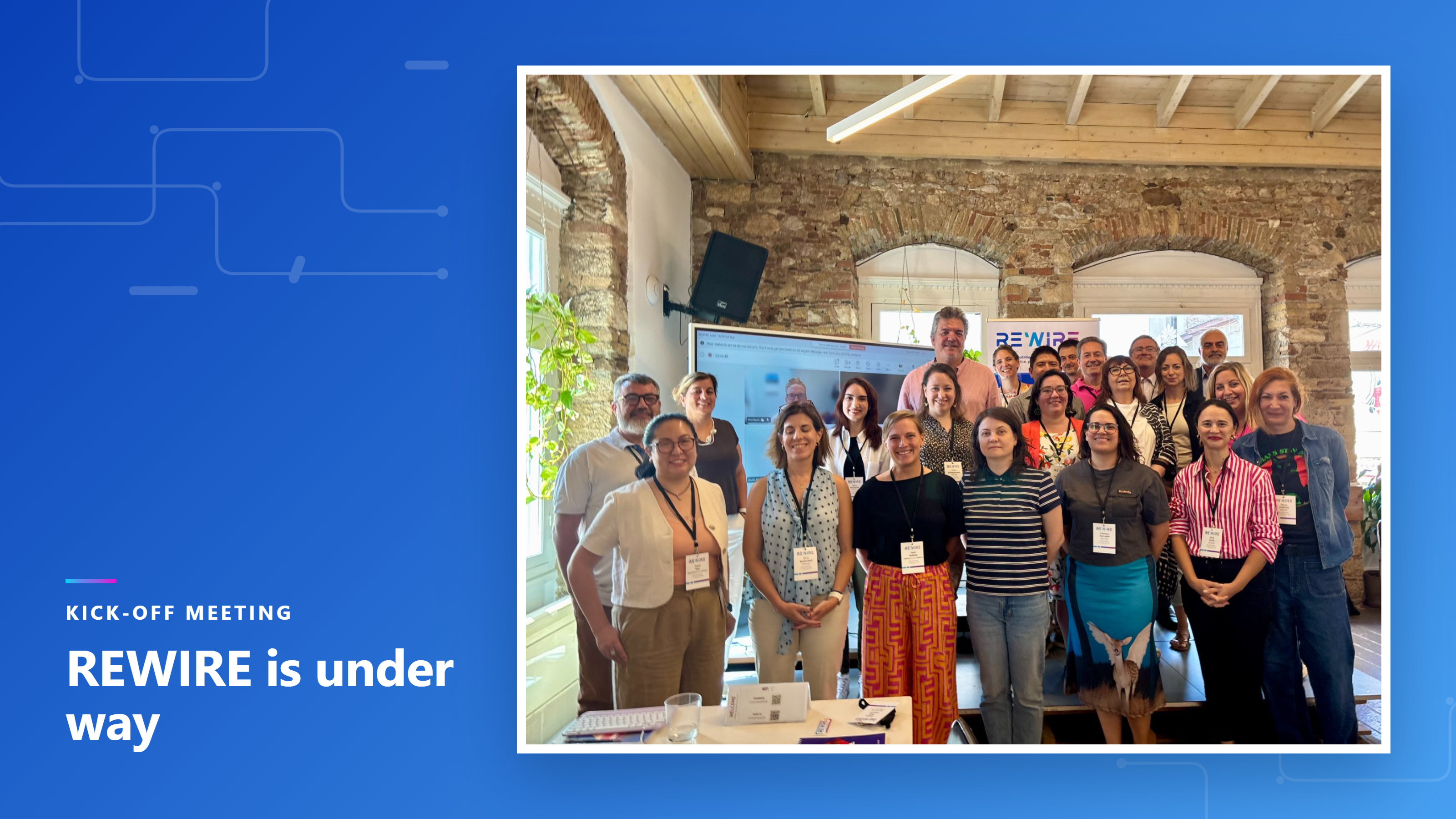
REWIRE partners and pilot organisations at the kick-off meeting in Athens, 17–18 September 2026.
More computational research is being published with its data and code. But sharing those materials is not the same as making a result reproducible.
To reproduce a computational result, researchers also need a record of the decisions made along the way: what was planned, which choices were kept, the software environment in which the analysis ran, and the links connecting a publication to the exact data, code and workflow behind it.
The tools for capturing this information already exist. The problem is that they are rarely built into the everyday processes of research. Research planning, execution and publishing do not routinely ask for this information, so it often goes unrecorded. By the time somebody tries to reproduce the work, important parts of the record may already be lost.
The gap is visible even in fields where computational research is central. At major computing conferences, only around one paper in two hundred carries an “Artifacts Available” badge. Data sharing has improved enormously; the record of how a result was produced has not kept pace.
REWIRE sets out to change that.
Rather than developing another set of tools, REWIRE brings together three existing approaches, each addressing a different stage of the research process: planning, execution and publication. The aim is to embed them into normal research workflows so that the information needed for reproducibility is captured as the work happens, rather than reconstructed afterwards.
The project will test this approach in real organisations, including national research funders, research infrastructures, research-performing organisations and a scientific publishing platform. Just as importantly, it will document what organisations need to put these practices in place, and what it takes for them to last.
Two days in Athens
On 17–18 September 2026, the twelve project partners and eight pilot organisations met in Athens, with additional colleagues joining online, for the REWIRE kick-off.
“If you cannot repeat, why believe the results?”
— Professor Yannis Ioannidis, Athena Research Center
“If you cannot repeat, why believe the results?” asked Professor Yannis Ioannidis of Athena Research Center, which coordinates REWIRE, in his opening remarks. In computational research, he argued, repeating a result is often technically possible. The harder problem is making reproducibility part of routine practice.
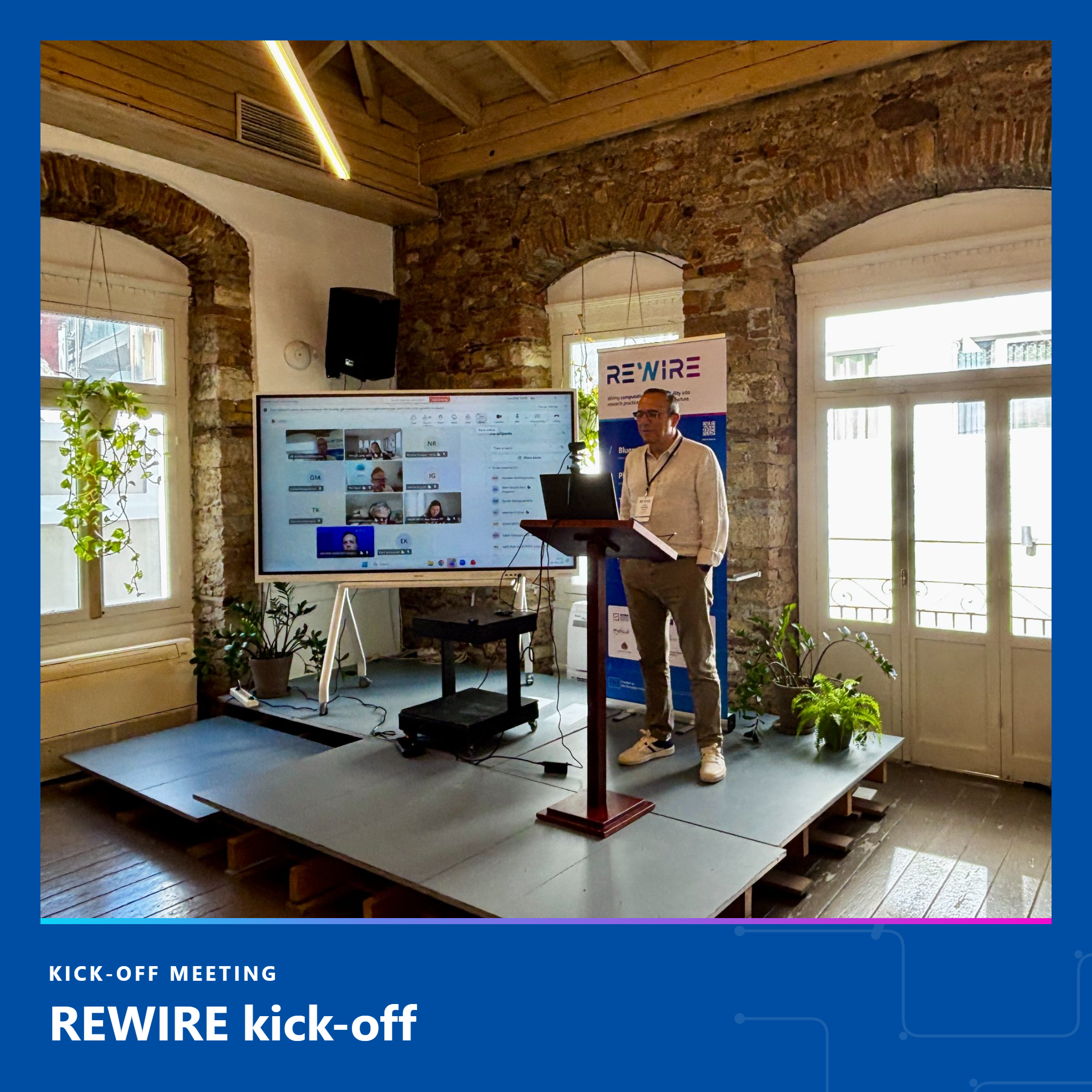
Representatives of the European Commission and the Research Executive Agency also set out what they expect the project to deliver in return for its funding: openly available outputs, policy recommendations, and findings that can reach organisations well beyond the consortium itself.
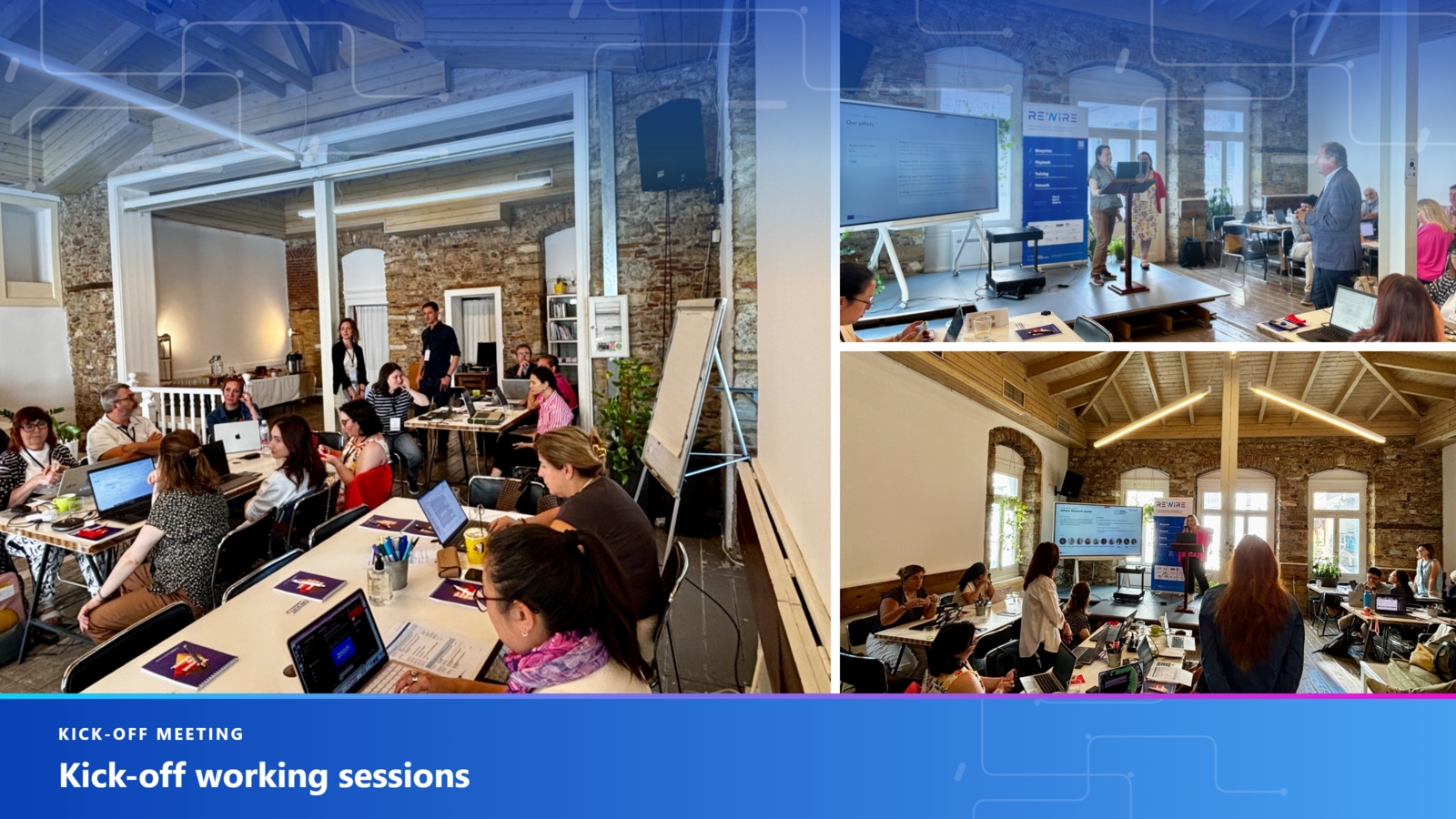
Much of the two-day meeting focused on how that ambition will work in practice. Pilot teams discussed which interventions they will adopt, how the tools can connect to platforms and processes they already use, and what support they will need during implementation.
Three tools, three moments
REWIRE focuses on three points in the research lifecycle where information essential to reproducibility can be captured.
- Planning with Reproducibility Management Plans, built on ARGOS
- Executing with GNU Guix
- Publishing with RO-Crates
Organisations can adopt one, two or all three interventions. Used together, they create a connected record that follows the research from planning through execution to publication.
The tools are only one part of the approach. REWIRE also includes training, certified local champions and a maturity framework that allows organisations to progress from producing a first reproducibility plan or package to embedding the practice in institutional procedures.
The goal is not to prescribe a single technical solution. The message to the pilots in Athens was that REWIRE recommends approaches that work, while leaving room for organisations to adapt them to their own settings.
Read more about the interventions here.
Eight pilots, plus one
Eight organisations will put the REWIRE interventions into practice in their own institutional settings: two national research funders, two research infrastructures, three research-performing organisations and one scientific publishing platform. Each organisation will adopt the interventions that make sense for its role and existing workflows.
ACM will participate in a lighter pilot, testing reproducibility requirements in two conference tracks.
Meet the pilots here.
What they learn will feed into the REWIRE BLUEPRINTS: an open record of what organisations tried, how they implemented it and what worked in practice.
From the project’s second year, followers will begin adopting the interventions with support from the consortium. In this way, REWIRE moves from testing reproducibility practices in a small number of institutions to understanding how they can spread more widely. If your organisation is interested in becoming a follower, contact us at
A Joint Session with ARION
Tools and training can only go so far if the effort researchers put into reproducible work is not recognised.
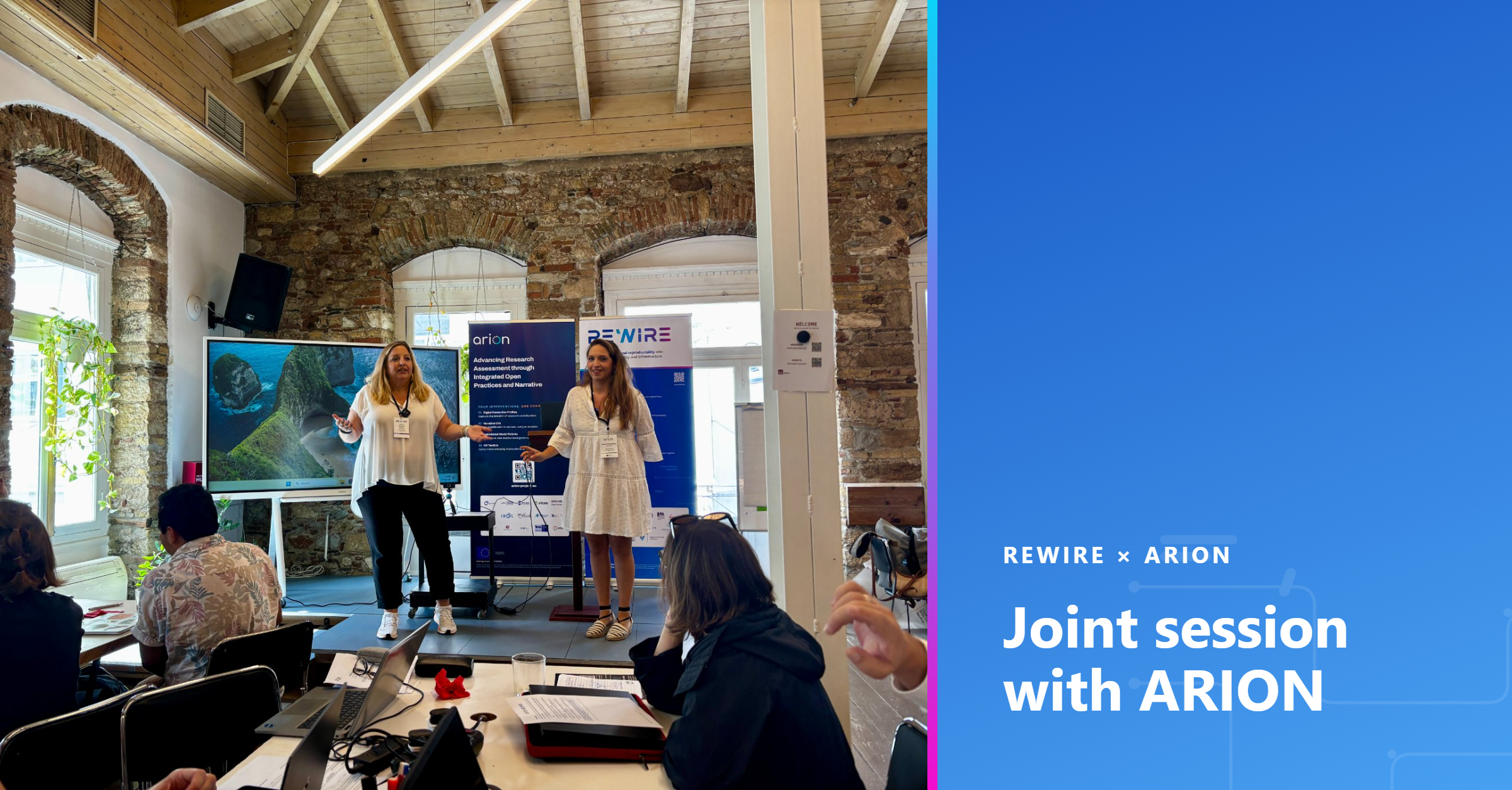
That is why the kick-off included a joint afternoon with ARION, another project funded under the same Horizon Europe call and focused on reforming research assessment.
The discussion started from a practical question: if researchers invest time in making their work reproducible, how should that effort be recognised, and what should institutions and funders provide in return?
One conclusion emerged clearly from the session. The reproducibility and research-assessment communities are often working on closely related problems, but they do not always use the same language. Building that shared understanding is therefore a necessary first step, and joint training is one place where the two projects can begin.
More on that soon.
What comes next
By August 2029, REWIRE aims to have at least sixteen organisations participating as pilots or followers, more than forty certified practitioners across at least six countries, and policy briefs grounded in the experience of implementing reproducibility practices in real institutions.
Between now and then, the project will share what happens as the pilots begin: what organisations change, what proves difficult, what works, and what others can learn from the process.
We will also publish new resources in our Knowledge Hub as they become available.